Flooring and the Coast: Why the Choice Matters More Here
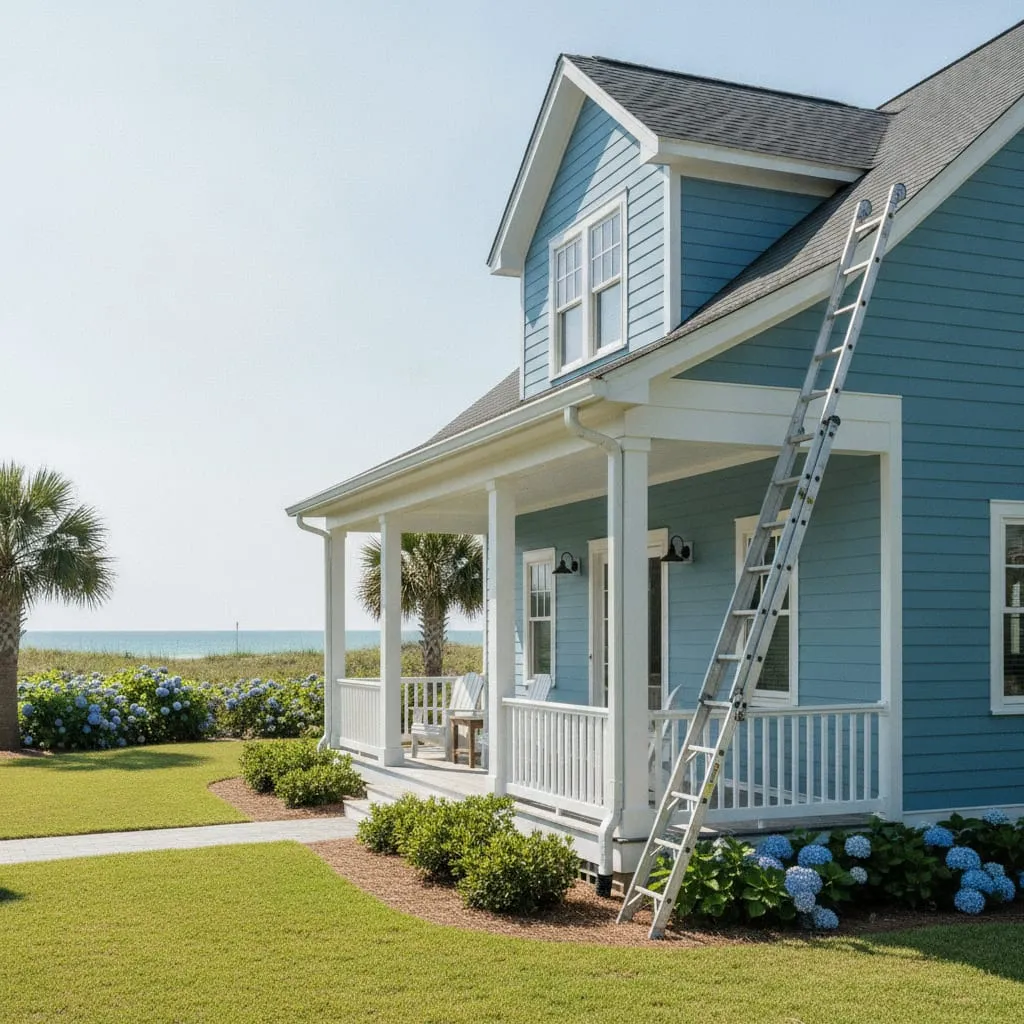
When homeowners in Wilmington, Carolina Beach, or Wrightsville Beach ask me about flooring, my first question is always the same: how close are you to the water, and how well does your home manage humidity? In coastal North Carolina, these aren’t abstract concerns. Humidity levels here regularly run 70 to 90 percent in summer, and homes within a few blocks of the ocean deal with conditions that simply eat certain flooring materials alive.
I’ve installed and removed flooring in dozens of homes across the area. I’ve also pulled up floors that were clearly the wrong choice for the environment — buckled laminate in a beach cottage bathroom, warped engineered hardwood in a first-floor sunroom, swollen plank edges where a window seal failed. Flooring is one of those decisions that feels aesthetic on the surface but is really an engineering choice when you live near the coast.
Here’s how the three most popular options compare for coastal NC conditions.
Luxury Vinyl Plank (LVP): The Best Choice for Most Coastal Homes
If I had to pick one flooring type for a first-floor coastal home in Wilmington with no caveats, it would be luxury vinyl plank. Here’s why.
Completely Waterproof Core
True LVP (not to be confused with older vinyl or thin vinyl tiles) is built with a solid or rigid core — typically WPC (wood plastic composite) or SPC (stone plastic composite) — that doesn’t absorb water. You can mop it, leave a wet dog on it, have a plumbing leak sit on it overnight, and it won’t swell, buckle, or delaminate. For a coastal home where humidity is a constant and storms sometimes bring water indoors, this is a real advantage.
Dimensional Stability in Humidity
Solid hardwood and even engineered hardwood expand and contract with changes in humidity. In a home that swings from 50% to 85% relative humidity across seasons (which is common in Wilmington without a dehumidifier running constantly), wood floors develop gaps in winter and cup in summer. LVP handles these swings without moving.
Realistic Appearance and Comfort Underfoot
Ten years ago, vinyl flooring looked like vinyl. That’s no longer true. Modern LVP has embossed texture, realistic wood grain photography, and a depth that’s genuinely difficult to distinguish from hardwood at a glance. It’s also warmer and softer underfoot than tile.
Drawbacks of LVP
LVP isn’t perfect. It can be scratched by heavy furniture without protective pads, and it can fade in rooms with intense direct sunlight over many years. It also can’t be refinished — when it wears out (which takes a long time), it needs to be replaced. And cheaper LVP products have a thin wear layer that won’t last as long; I always recommend products with at least a 12-mil wear layer for residential use, and 20-mil for heavy traffic areas.
Laminate: Good Inland, Risky Near the Coast
Laminate flooring looks very similar to LVP on the surface — it comes in wood-look planks with realistic printed surfaces — but the construction is fundamentally different. Laminate is made from a high-density fiberboard (HDF) core with a photographic layer and a clear wear layer on top.
The problem is that HDF core. It is wood fiber compressed under high pressure, and while it’s durable under normal conditions, it is vulnerable to moisture. When water gets into the seams — and in a high-humidity coastal environment, it doesn’t need a spill, ambient moisture is enough — the core swells. Swollen edges produce the raised “peaking” effect along joints that I’ve seen ruin entire floors.
When Laminate Can Work
Laminate is not categorically wrong for Wilmington homes, but I’d limit it to:
- Second-floor bedrooms where moisture exposure is minimal
- Homes with excellent climate control that keeps humidity consistently below 60%
- Rooms without any plumbing or exterior exposure
Even then, I’d pick a quality LVP before laminate in almost any coastal situation, because the cost difference between decent laminate and decent LVP has narrowed significantly in recent years.
Advantages of Laminate
Laminate does have a harder surface than most LVP, making it more scratch-resistant. It also tends to feel more rigid underfoot, which some people prefer. If you’re in a low-moisture interior room and cost is a factor, laminate from a reputable brand can work fine.
Tile: The Best Moisture Performance, with Trade-Offs
Ceramic and porcelain tile is the gold standard for moisture resistance. It doesn’t absorb water, doesn’t swell, doesn’t rot, and properly installed with the right grout will last decades with minimal maintenance. For bathrooms, laundry rooms, and entryways in coastal homes, tile is often the right call.
Porcelain vs. Ceramic
Porcelain tile is denser and less porous than ceramic, making it more appropriate for high-moisture applications. I generally recommend porcelain for any coastal or wet-area installation. Ceramic is fine for interior rooms where moisture isn’t a primary concern.
The Real Limitations of Tile
Comfort: Tile is hard and cold. For living areas, bedrooms, or anywhere you spend time on your feet or barefoot, it’s genuinely less comfortable than LVP. Area rugs help, but they’re a workaround.
Installation complexity: Tile requires a dimensionally stable, flat substrate. In older Wilmington homes, subfloor flex can cause grout to crack over time if the substrate isn’t properly prepared. Installation is also significantly more labor-intensive than floating LVP.
Cost: Tile material plus professional installation is usually more expensive than LVP for the same square footage.
Cold feel: In Wilmington winters, tile floors in unheated spaces or near exterior walls can feel notably cold underfoot. Not a dealbreaker, but worth factoring in.
Where Tile Wins
Bathrooms, kitchens, entryways, sunrooms, and laundry rooms are all great candidates for tile in coastal homes. For main living areas, most of my clients choose LVP for the comfort and budget advantages, then use tile strategically in wet zones.
My Recommendation for Most Wilmington Homeowners
For first floors, living areas, and anywhere that will see normal family use and coastal humidity: choose LVP. Pick a product with at least a 12-mil wear layer, an attached underlayment if possible, and a click-lock system for clean installation. Mid-tier products from brands like COREtec, LifeProof, or Shaw offer excellent performance without the premium price of top-tier lines.
For bathrooms and laundry rooms: tile, specifically porcelain. The moisture resistance is unmatched and the durability in wet areas justifies the higher installation cost.
For second-floor bedrooms in well-controlled homes where you want something different: laminate from a quality brand is an option, but I’d still lean LVP given how little the cost difference is today.
Professional Flooring Installation in Wilmington
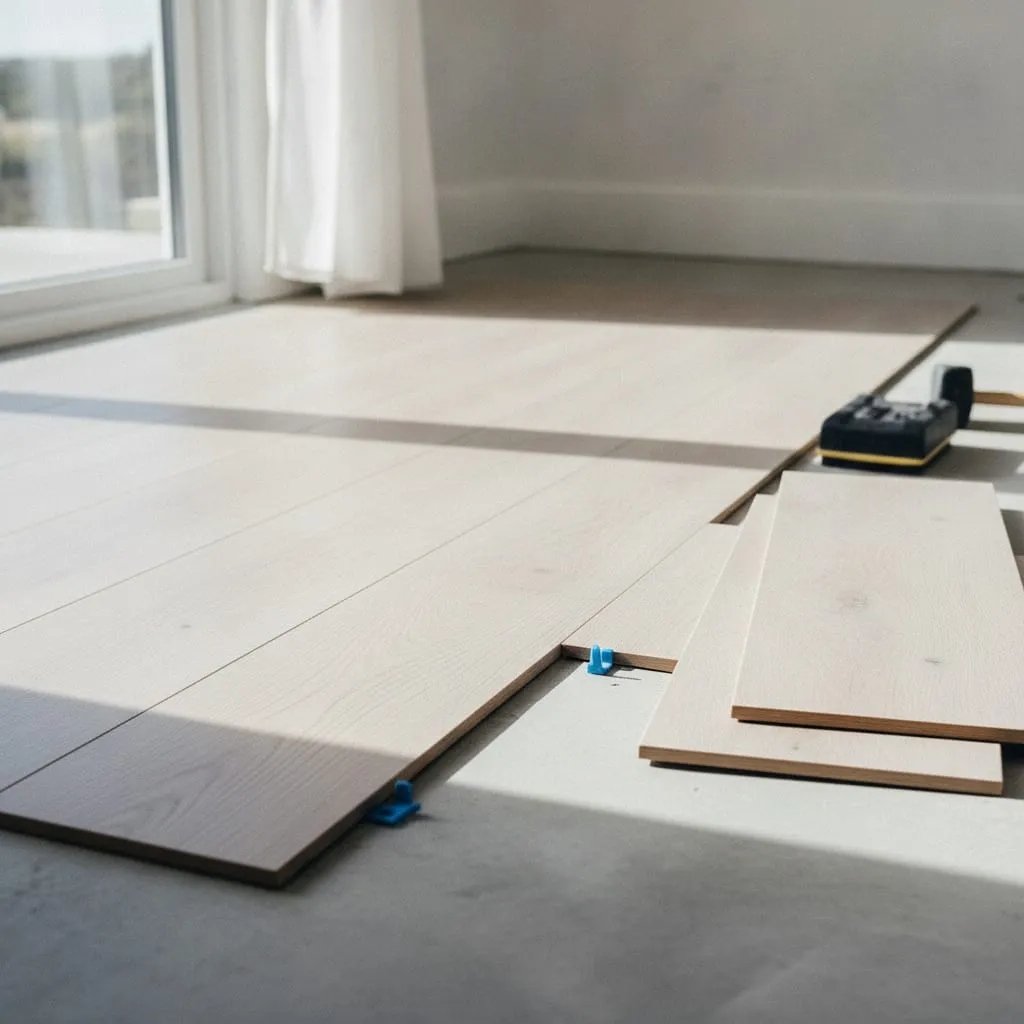
I handle flooring installation and removal throughout the Wilmington area — including LVP, laminate, and tile in residential settings. That includes removing old flooring (carpet, vinyl, laminate), preparing the subfloor, and installing the new material cleanly and correctly.
Getting the subfloor right before installation is something I take seriously. Improperly prepared substrates are the most common reason new floors develop problems within a year or two.
Ready to Update Your Floors?
If you’re weighing flooring options for your Wilmington home and want a professional opinion on what makes sense for your specific rooms and budget, reach out through my contact page for a free estimate. I’m happy to walk through the space with you and give you a straight answer before any work starts.