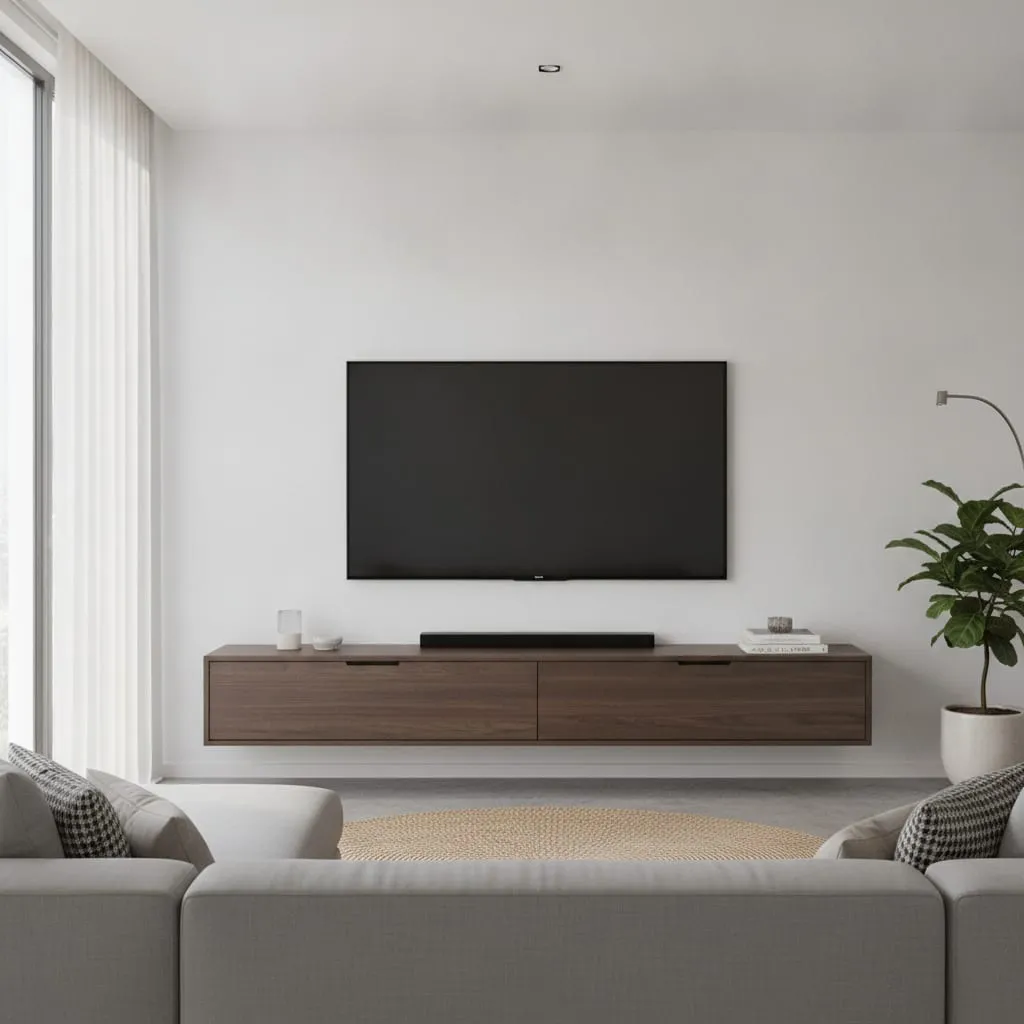
What Does TV Mounting Actually Cost in Wilmington?
If you’ve been shopping around for TV mounting help in Wilmington, NC, you’ve probably noticed that prices vary quite a bit. I get calls and texts about this almost every week, and the honest answer is: it depends on a few key factors. After 15 years of hanging TVs across the Cape Fear region — from downtown condos to beachside cottages in Wrightsville Beach — I can give you a realistic picture of what you should expect to pay.
Most TV mounting jobs in Wilmington fall somewhere between $75 and $250, but certain situations push that number higher. Let me walk you through what drives the cost.
The Main Factors That Affect TV Mounting Price
1. TV Size
Larger televisions require heavier-duty mounts and more careful handling during installation. A 43-inch TV is straightforward. A 75- or 85-inch TV needs a more substantial mount, often two sets of hands, and more time to level and secure properly. Expect to pay a bit more for anything over 65 inches.
2. Wall Type
This is probably the single biggest variable in TV mounting pricing.
Drywall over wood studs is the most common wall type in Wilmington homes, and it’s the easiest to work with. The mount anchors into the studs and you’re done. This keeps costs at the lower end.
Brick or concrete walls — common in older downtown buildings or fireplace surrounds — require masonry anchors and a hammer drill. This adds time and a bit of material cost. It’s not a deal-breaker, but plan for a higher rate.
Tile walls are rare for TV mounting but not unheard of. These require specialty bits to drill without cracking the tile, which takes more care and time.
Metal stud walls (found in many newer construction condos and apartments) require toggle bolts or specialty anchors rated for the load, since you can’t rely on the stud alone. I always verify the anchor rating before committing the mount.
3. Mounting Above a Fireplace
Fireplace installations are popular but add complexity. First, the wall above a fireplace is often brick, stone, or a specialty surround material. Second, the viewing angle can be awkward — I always discuss tilt options with clients before committing to a height. Third, running cables down to an outlet below the mantle often means fishing wire through the wall or using a surface-mounted raceway. All of this adds time.
4. Mount Type
There are three main mount types:
- Fixed/flat mounts — the TV sits flush to the wall, no movement. Least expensive, and perfectly fine if your seating is directly in front.
- Tilting mounts — allow you to angle the screen downward, which helps when the TV is mounted higher up. Moderately priced.
- Full-motion/articulating mounts — these extend, swivel, and tilt, great for corner mounting or rooms where you watch from multiple spots. The hardware costs more, and installation takes a bit longer.
If you already have a mount you want me to use, I can work with it. Just make sure it’s rated for your TV’s weight and VESA pattern.
5. Cable Concealment
A TV mounted on the wall with cables dangling down is a common request to fix. There are two main approaches:
In-wall cable concealment involves cutting small openings above and below the mount, running the cables through the wall cavity, and patching cleanly. This gives you the truly clean look. It costs more but looks professional and permanent.
Surface raceways are plastic channels that run along the wall, painted to match. Faster and less invasive — a good option if in-wall isn’t possible (concrete walls, rented units where patching isn’t ideal).
DIY vs. Hiring a Pro: Is It Worth It?
Mounting a TV yourself is doable, but there are real risks. Missing a stud, using the wrong anchors for your wall type, or miscalculating the weight rating can result in a TV falling off the wall — sometimes weeks or months later. Beyond the cost of replacing a damaged TV, there’s the safety concern.
I’ve been called to re-mount several TVs that homeowners initially installed themselves. The most common issues I see: anchored into drywall only (no stud), mounts that aren’t level, and cables that were routed without a low-voltage bracket in-wall (a code issue in some situations).
For most people, the peace of mind and the clean finished result make hiring a professional worth it — especially for larger TVs or challenging wall types.
Local Considerations in Wilmington
Wilmington homes have their quirks. Older homes in historic districts like Carolina Place or near Forest Hills often have plaster walls rather than modern drywall — these require a different approach to locate studs and anchor properly. Coastal cottages sometimes have non-standard wall construction. And lots of newer construction in Leland and Hampstead uses metal studs, which surprises homeowners who try to DIY.
I’m familiar with all of it. I’ve worked in homes throughout the Wilmington area and know what to expect from different building eras and neighborhoods.
What’s Included in My TV Mounting Service
When you book my TV mounting service, here’s what I cover:
- Assessment of your wall type before drilling
- Stud finding and anchor selection
- Mount assembly and wall installation
- TV attachment and leveling
- Basic cable management (hiding cords behind the TV, organizing connections)
- Testing the mount and walking you through the tilt/swivel adjustments
Cable concealment inside the wall or with raceways is available as an add-on — just mention it when you reach out.
Get a Free Estimate
Every home is a little different, and I’m happy to give you a straight answer before any work starts. Reach out through my contact page and describe your setup — TV size, room type, whether you want cable concealment — and I’ll get back to you quickly with a clear price. No surprises, no upselling.