
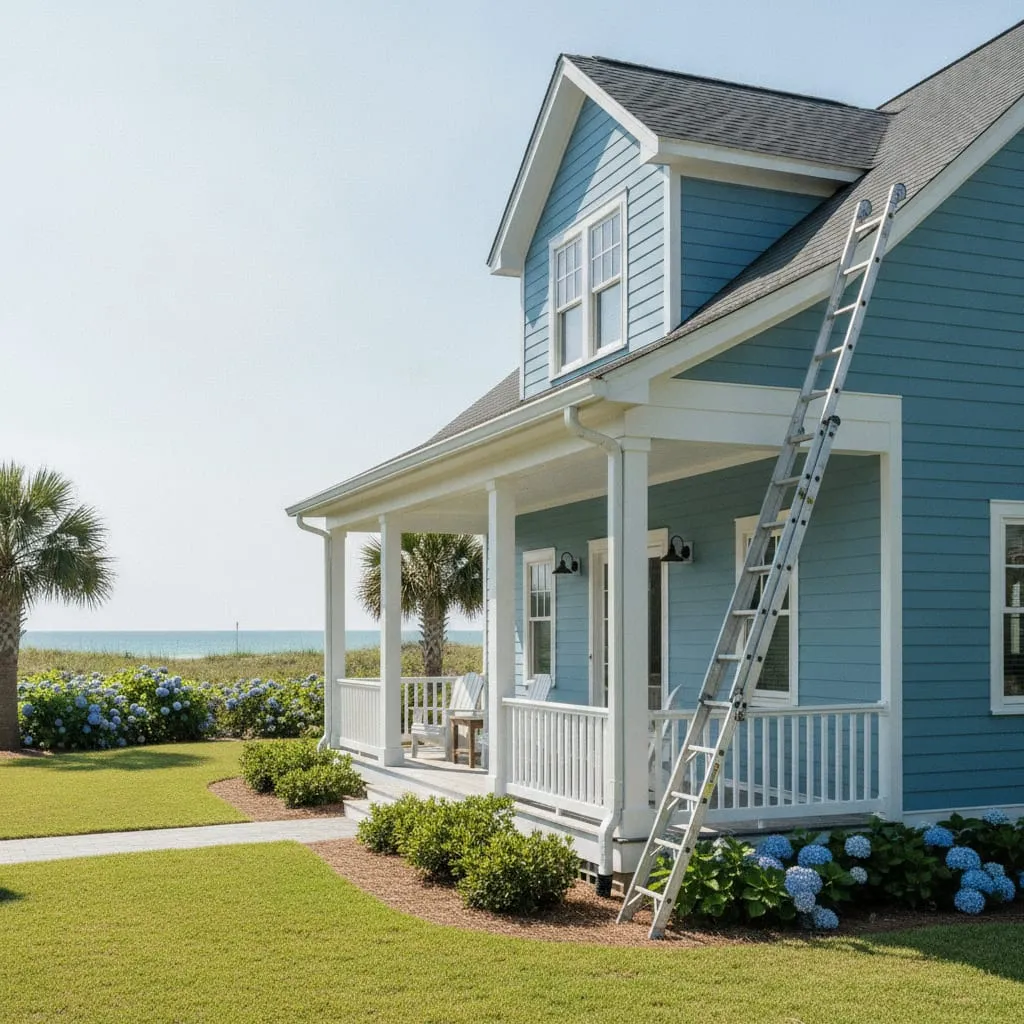
Why Coastal Homes Need a Different Maintenance Plan
Living near the coast in Wilmington, NC is genuinely wonderful. The mild winters, the water access, the laid-back pace — there’s a reason people move here from all over the country. But owning a home within a few miles of the Atlantic comes with maintenance demands that are genuinely different from an inland property.
Salt air accelerates corrosion on metal fixtures, fasteners, and HVAC components. High humidity promotes mold and wood rot in ways that drier climates simply don’t. Hurricane season runs from June through November and demands real preparation, not just keeping an eye on the weather forecast. And the combination of wet summers and damp winters means caulking, drainage, and ventilation need regular attention.
I’ve been doing home repairs and maintenance in the Wilmington area for 15 years, including in Wrightsville Beach, Carolina Beach, and the inland communities of Leland and Hampstead. This checklist reflects what I actually see failing in coastal homes — and what catches problems before they become expensive.
Spring (March through May)
Spring is the ideal time to assess winter damage and get ahead of hurricane season. Here’s what to tackle:
Inspect and Reapply Exterior Caulking
Winter temperature swings and moisture expansion cause caulk to crack and pull away from surfaces — around windows, doors, trim, and where siding meets the foundation. Failed caulk is one of the most common paths for water intrusion in coastal homes. Go around the exterior of your home methodically and probe any caulk that looks cracked, sunken, or discolored. Reapply with a paintable exterior siliconized acrylic or a marine-grade sealant in exposed areas.
Clean and Inspect Gutters
Spring pollen, winter debris, and whatever the last storm blew in all accumulate in gutters. Clean them out and then run water through to check for proper flow and drainage. Look for sections that have pulled away from the fascia, which is common in coastal areas where wood rot weakens the attachment points.
Pressure Wash Exterior Surfaces
Salt air deposits a film of residue on siding, concrete, decks, and driveways. Left in place, it holds moisture and accelerates deterioration. A good pressure washing in spring removes that buildup and gives you a clear look at the condition of your surfaces. Pay extra attention to north-facing walls and shaded areas where algae and mildew tend to take hold.
Check the Deck and Fence
Winter moisture and spring warm-up is hard on wood. Walk your deck and probe any boards that look discolored or soft — a screwdriver pushed against the wood will tell you quickly whether rot has set in. Check deck post bases, which often hold moisture against concrete footings. Tighten any loose fasteners and inspect railings for stability.
Summer (June through August)
Summer is about two things: keeping up with the humidity and being hurricane-ready.
Hurricane Season Preparation
By June 1, your hurricane prep should be in place, not in progress. That means:
- Gutters cleaned and draining properly so heavy rain flows away from the foundation
- Tree limbs over the roof trimmed back — these are the most common source of roof damage in storms
- Exterior doors and windows inspected for gaps; add or replace weatherstripping as needed
- Any loose fence sections repaired or braced — a fence that catches wind becomes a projectile
- Know where your main water shutoff is
Inspect Attic Ventilation
Wilmington summers are hot and humid. Attics that aren’t properly ventilated become heat traps that shorten the life of roofing materials and stress your HVAC system. Check that soffit and ridge vents are clear and unobstructed.
HVAC Filter and Exterior Unit
Salt air is particularly hard on heat pump condenser coils — the outdoor unit. If yours is within a half mile of the ocean, consider rinsing it with fresh water once a month during peak season. Change your air filter monthly in summer; the system runs constantly and pulls in a lot of coastal air.
Fall (September through November)
Hurricane season officially ends November 30, but the real work in fall is preparing for winter and doing a post-storm assessment.
Post-Storm Walkthrough
After any significant tropical weather, do a full exterior walkthrough: roof (binoculars are fine from the ground), gutters, siding, windows, and the crawl space or basement if applicable. Look for lifted shingles, soffit damage, and any new water stains on interior ceilings.
Gutter Cleaning — Again
Fall leaves fill gutters quickly, especially from live oaks and other coastal trees that shed late. Clogged gutters in winter cause water to back up under roofing materials and overflow against your foundation.
Seal and Stain Wood Surfaces
If your deck or fence needs staining, fall is the best window — temperatures are lower, humidity drops, and you have the whole dry season ahead before the next round of summer weather. Bare or peeling wood on a coastal deck deteriorates fast.
Inspect Crawl Space Vapor Barrier
Wilmington homes with crawl spaces are prone to moisture accumulation. Check that the vapor barrier is intact and that there’s no standing water or visible mold. Crawl space issues left unaddressed lead to structural wood rot and indoor air quality problems.
Winter (December through February)
Wilmington winters are mild compared to most of the country, but don’t skip maintenance just because there’s no snow.
Check Weatherstripping and Door Seals
Gaps around exterior doors let in humid air in winter and let out conditioned air year-round. This is a quick, inexpensive fix that pays back in comfort and energy bills.
Inspect Exposed Metal for Corrosion
Gate hinges, deck hardware, exterior light fixtures, and hose bibs are all vulnerable to salt air corrosion. Catch rust early and treat or replace before structural failure occurs. Stainless steel and hot-dipped galvanized hardware outlast standard zinc-plated fasteners significantly in coastal conditions.
Schedule Any Painting Before Spring
If exterior trim or siding needs paint, late winter — when temperatures are consistently above 50 degrees — is a good time to schedule the work before spring’s pollen season and before summer humidity peaks.
Services That Cover This Checklist
Several of the tasks above are ones I handle regularly for Wilmington homeowners:
- Caulking and weatherproofing — exterior resealing, door and window sealing
- Pressure washing — siding, driveways, decks, and fences
- Gutter cleaning — clearing debris and checking drainage
- Deck and fence repair — board replacement, fastener tightening, staining prep
I serve homeowners throughout the area, including in Wrightsville Beach where salt air exposure is most intense.
Stay Ahead of Coastal Wear
The homes that hold up best along the North Carolina coast are the ones with owners who catch problems early. A small caulk repair in spring is a $50 fix. The same gap found two years later — after water has worked behind the siding — becomes a $2,000 rot repair.
If you want a professional set of eyes on your home’s exterior, or if you’d rather hand off some of this list to someone who does it every week, get in touch through my contact page for a free estimate. I’m happy to knock out a maintenance checklist visit or tackle specific items you’ve been putting off.